Explore
Explore
Our Home
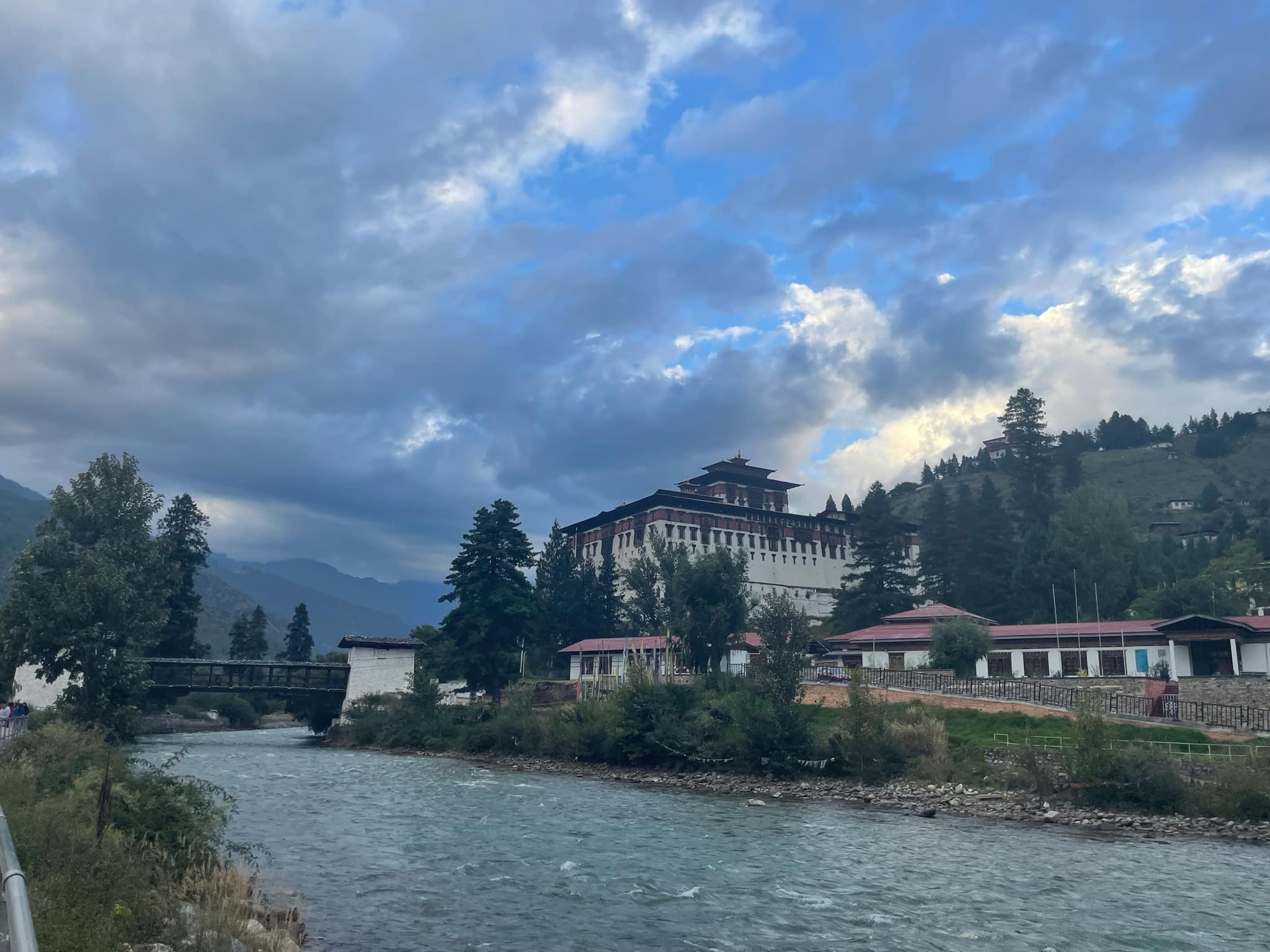
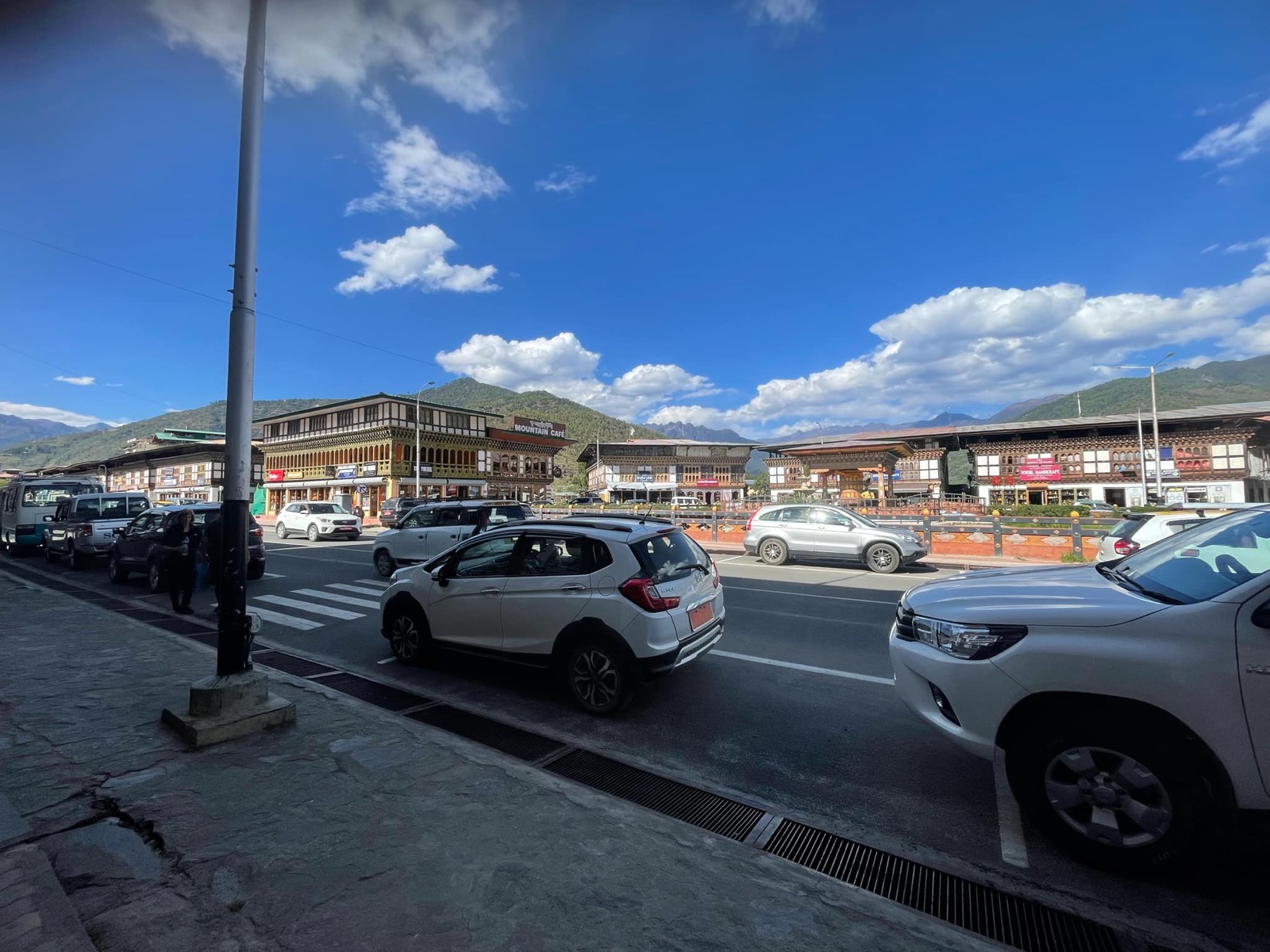
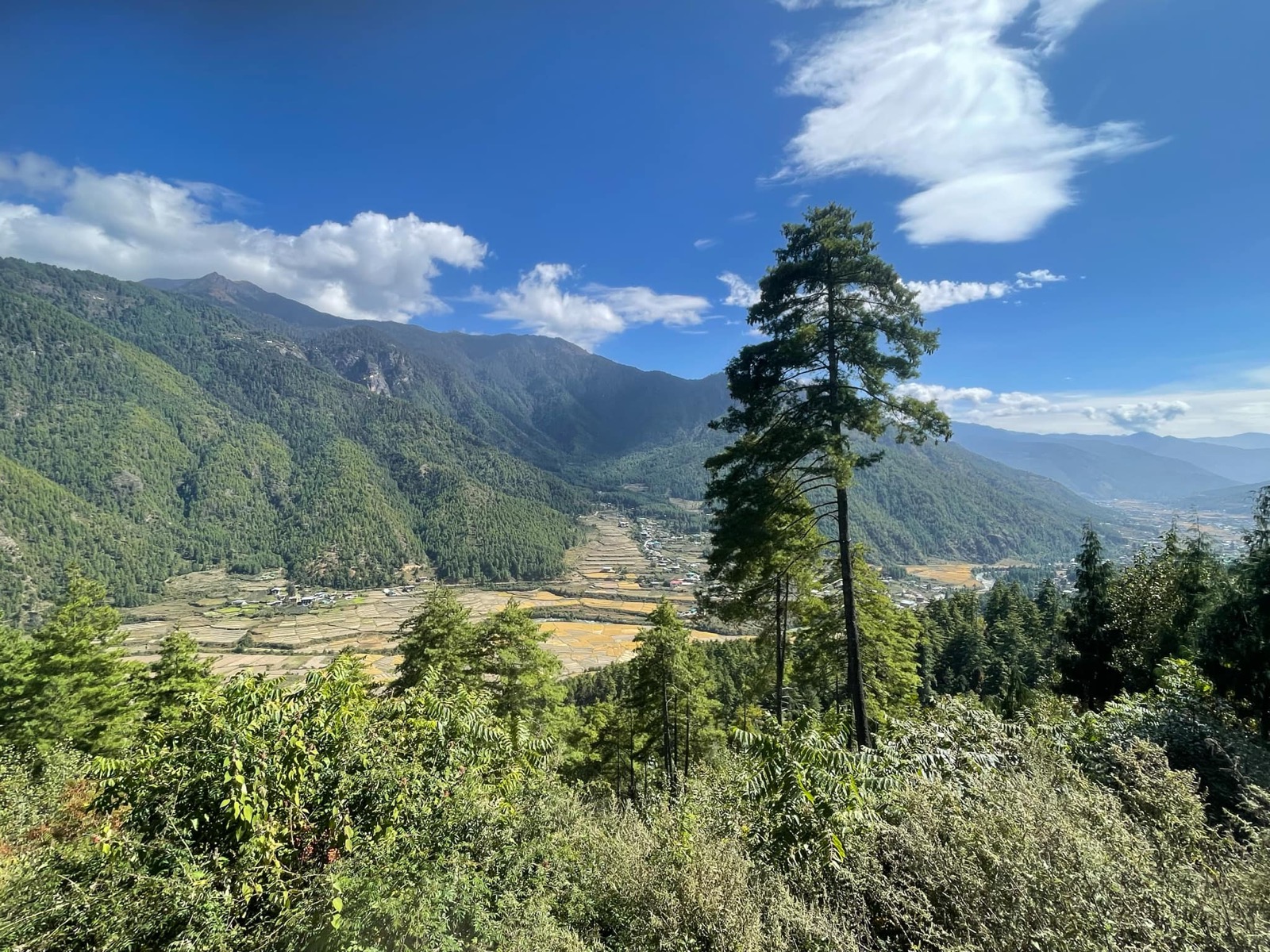
This is where we live, at 2,300 meters above sea level, in the shadow of Tiger's Nest. Paro is more than just a place — it's a feeling. There's a unique energy that flows through the valley, one that you can almost feel in the breeze that rustles the prayer flags.
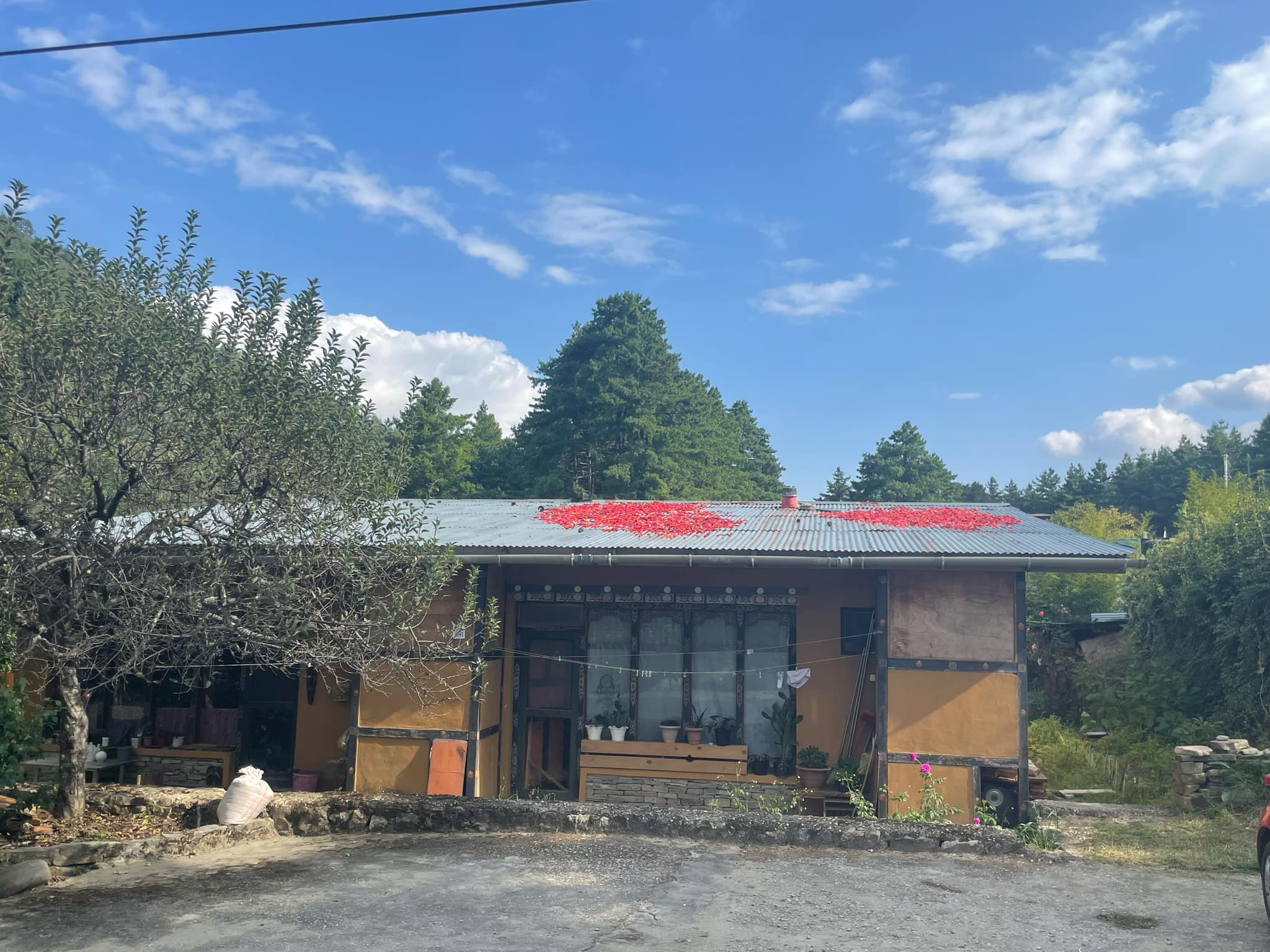
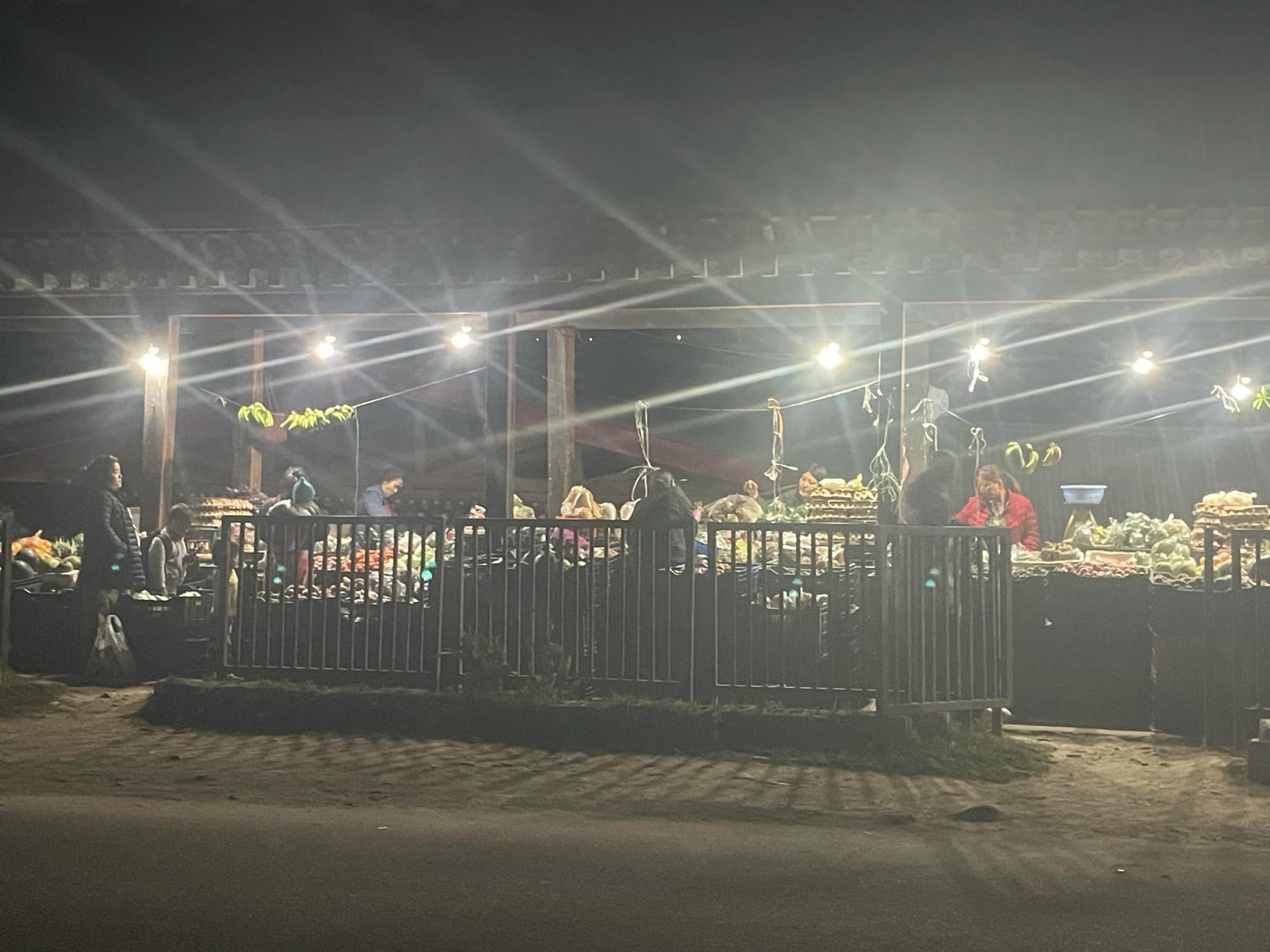
In October, the rice fields turn golden and the entire valley becomes a sea of red as chillies dry on every rooftop. The Pa Chu river flows gently along the ancient dzong's walls, carrying centuries of stories. Walk through our market and you'll feel the pulse of daily life — farmers sharing stories, fresh greens piled high, warm smiles everywhere.
Paro is also home to Bhutan's only international airport — your journey begins here.
Sacred
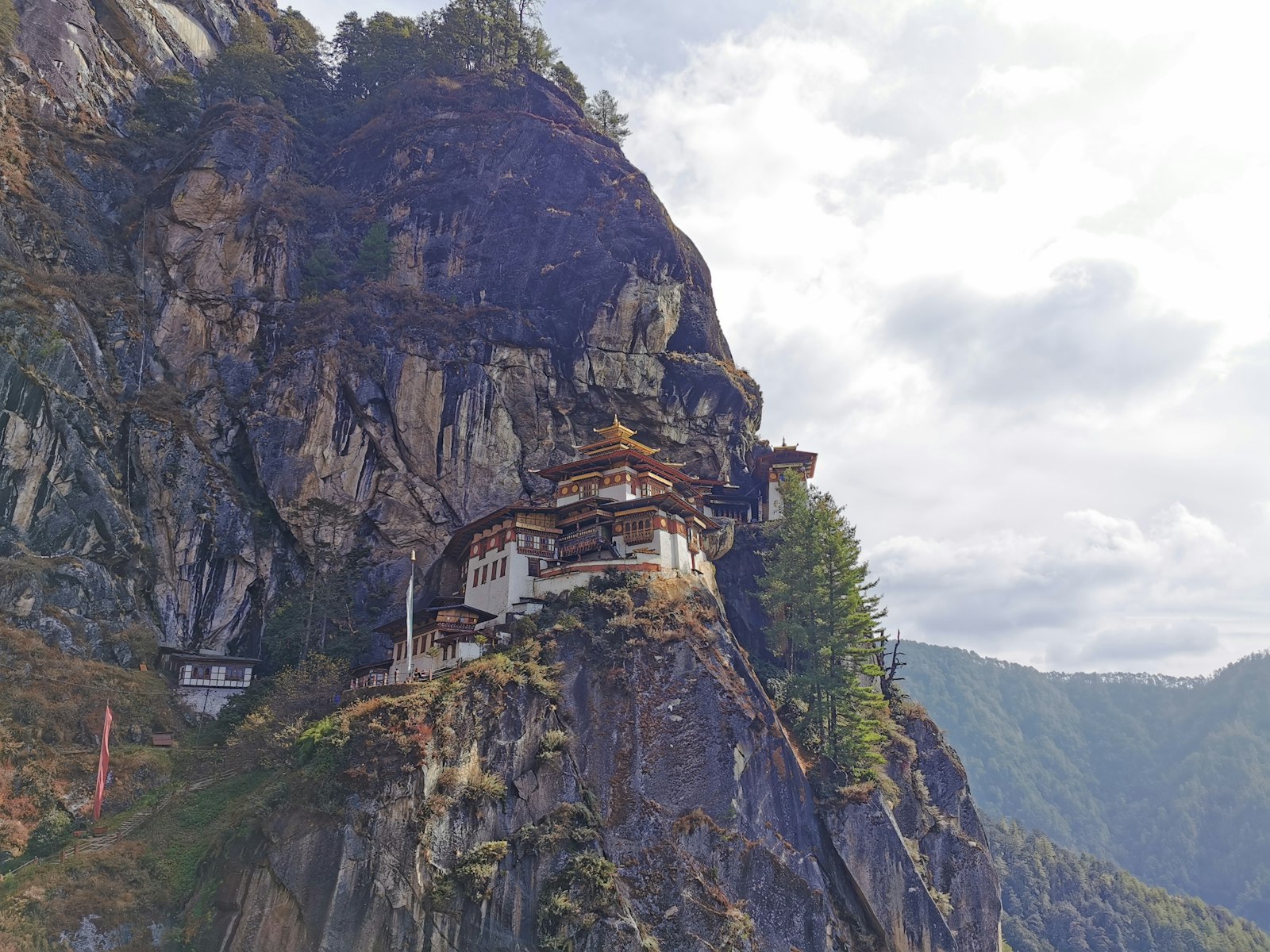
Paro Taktsang, as we call it, clings to a cliff face 900 meters above the valley floor. It was here that Guru Rinpoche flew on the back of a tigress and meditated in a cave for three months. The monastery built around that cave is one of the most sacred sites in the Himalayan world.
I see it every morning from my terrace, and it still takes my breath away. The hike up is steep but beautiful — through pine forests draped in prayer flags, past waterfalls, with the monastery slowly revealing itself through the mist. We'll take you early, before the crowds, when the mountain air is still cool and the monks' chanting echoes off the rocks.
History
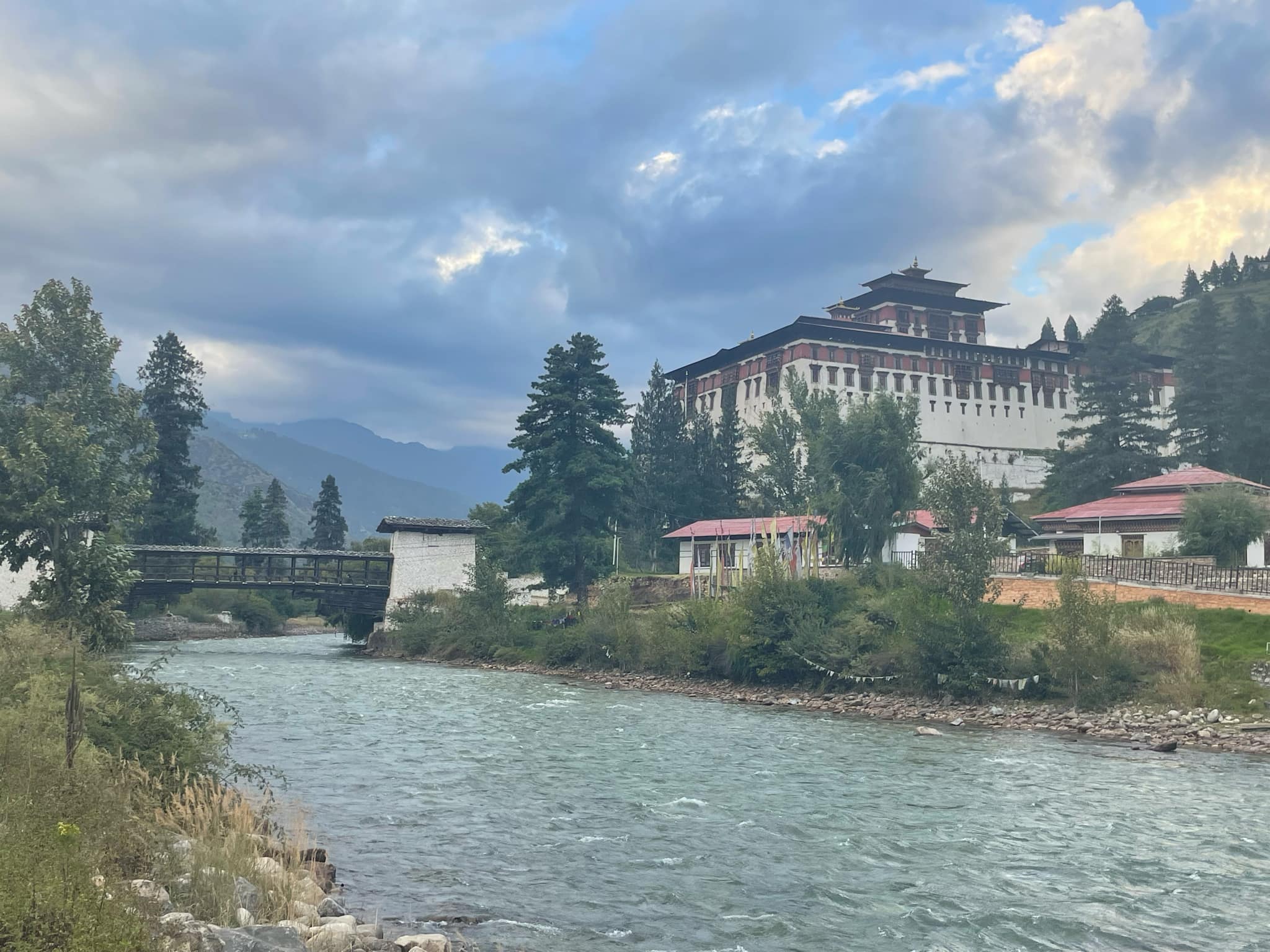
The "Fortress on a Heap of Jewels" stands watch over Paro since the 17th century, when Zhabdrung Ngawang Namgyal — the unifier of Bhutan — built it. Half the building houses the district government. The other half is home to monks who pray and study there every day.
To enter, you cross the Nyamai Zam — an ancient wooden bridge that has seen generations walk across it. Villagers bringing offerings, monks in crimson robes, officials heading to meetings. When you cross it, you feel connected to all those who came before. On the hill behind, you'll spot the National Museum in what used to be a watchtower during the Tibetan invasions.
Hidden gem
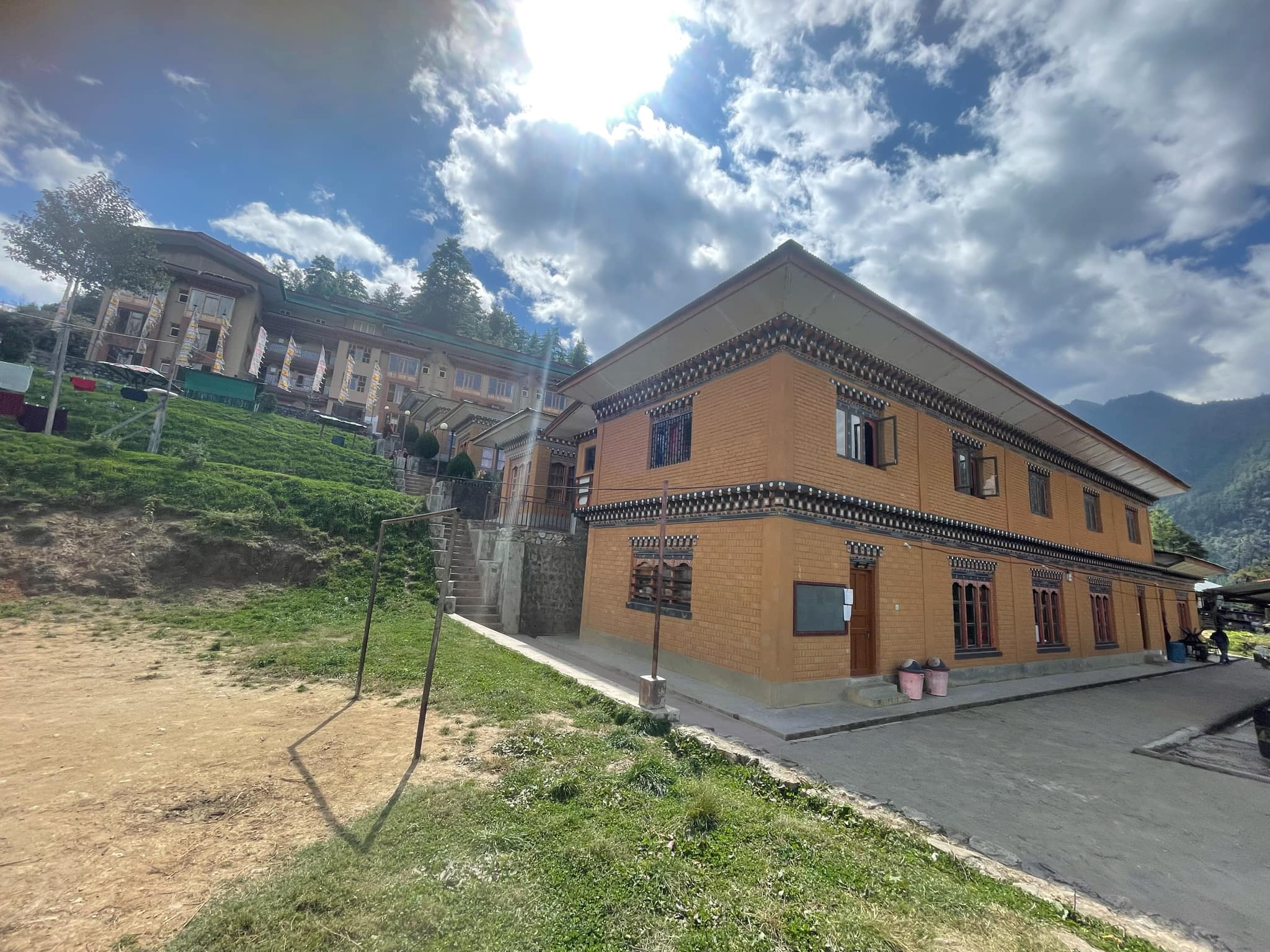
This one is personal. Taklung is just a short distance from my home, but visiting it always feels like stepping into a timeless space where the air is filled with whispers of old prayers and the scent of pine.
Thirty-five young monks live here, sharing rooms in pairs. Despite their structured days of study and prayer, they still find time for the simple joys of childhood — their favorite is playing soccer on the small field behind the monastery. They keep beehives by the trees and burn blue pine needles every morning for incense.
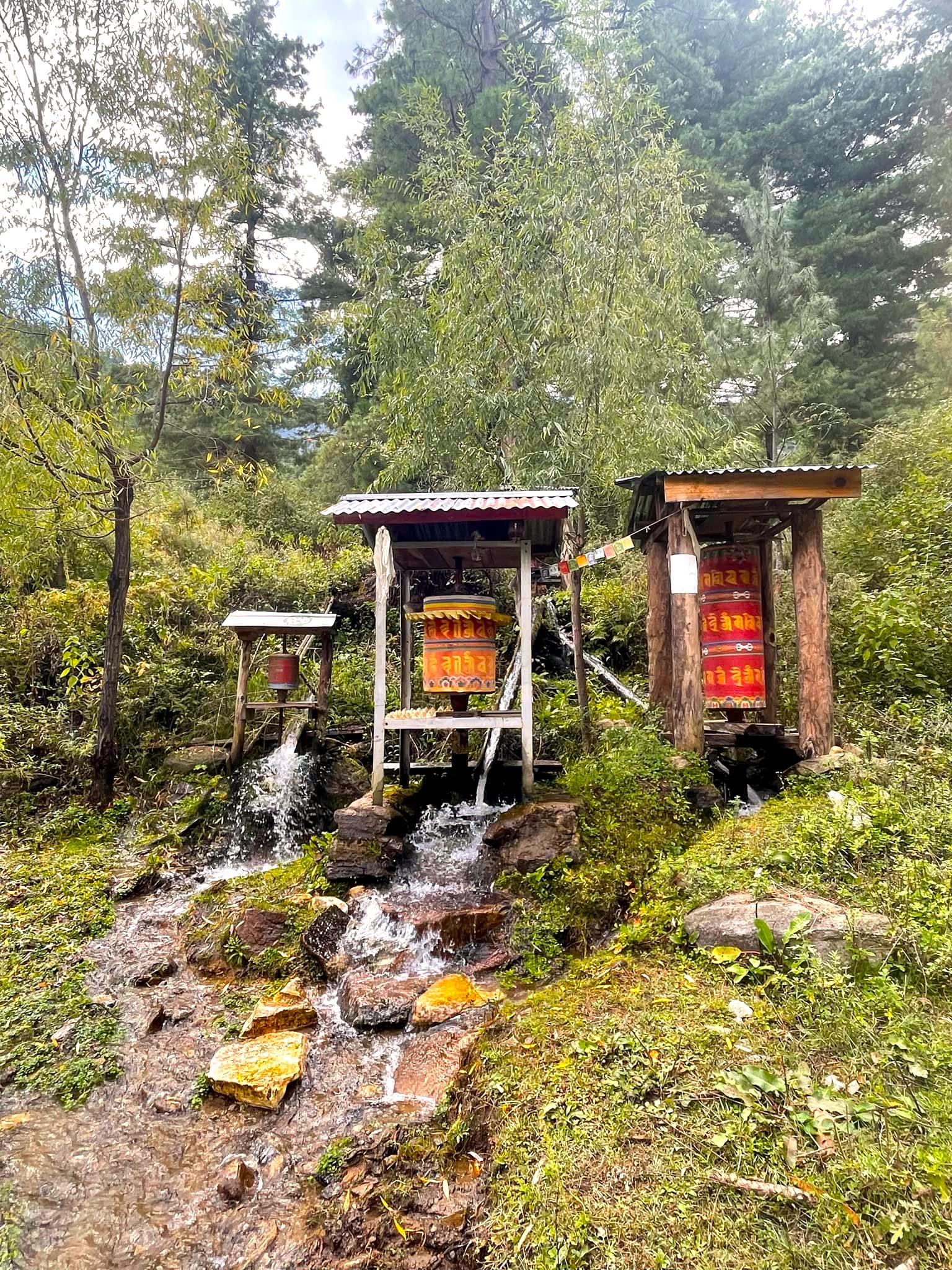
On the path up, you'll pass the water-powered prayer wheels — Mani Khorlo. The clear mountain stream turns them continuously, each rotation sending prayers into the world. I always pause there, even if just for a moment, to listen to the water and the gentle creaking of the wheels.
Adventure
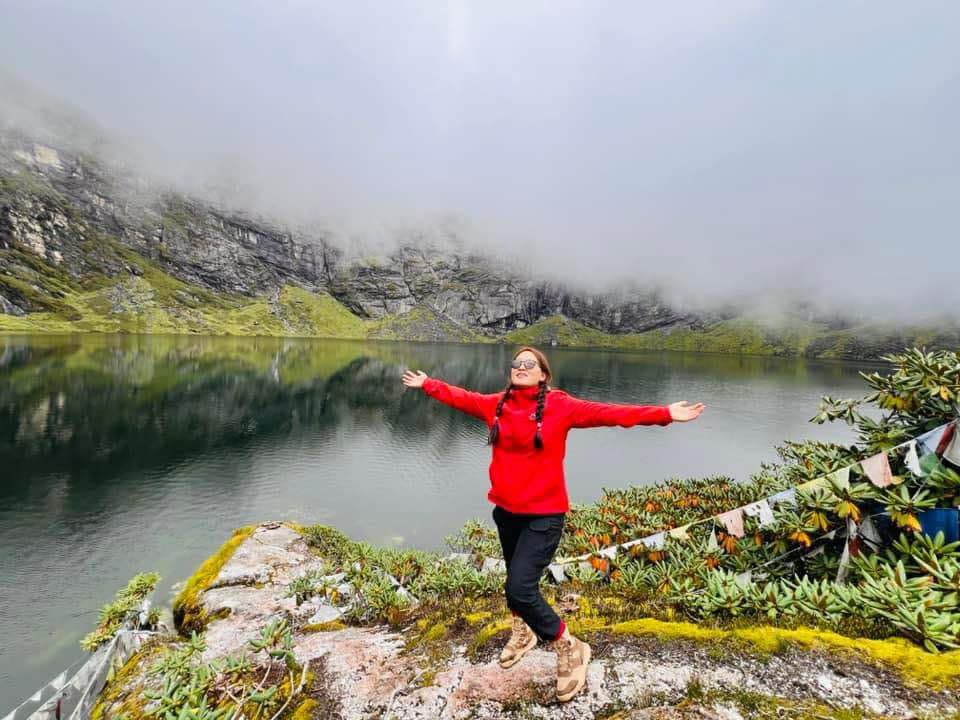
At 4,300 meters, this hidden lake sits like a mirror in the mountains, reflecting sky and clouds and peaks. The trek is challenging — steep climbs, rocky terrain, thin air — but with each step, the landscape reveals something extraordinary. Pine forests give way to alpine meadows where wildflowers dot the ground and yaks graze lazily under the open sky.
When I reached the lake, the water was so still it was almost surreal. Prayer flags at the lakeside fluttered in the breeze, their colors bright against the muted greens and blues. It's the kind of place that invites you to slow down, reflect, and truly appreciate the beauty of the natural world.
Bhutan is small but incredibly diverse. Each valley has its own character, its own festivals, its own stories.
The charming capital where tradition meets modernity. Visit the grand Tashichho Dzong, spin the prayer wheels at the National Memorial Chorten, and explore local markets where craftspeople sell handwoven textiles and carved masks.
45 minutes from Paro
At the confluence of two rivers stands Punakha Dzong — the most beautiful fortress in all of Bhutan. The valley is warmer and lower, with terraced rice fields and orchards. In spring, the jacaranda trees bloom purple along the riverbanks. A photographer's paradise.
3 hours from Paro via Dochula Pass
A vast glacial valley at 3,000 meters, and the winter home of the rare black-necked cranes. Between November and February, these elegant birds fly in from Tibet, and the entire valley celebrates their arrival with a festival. Ideal for peaceful walks and birdwatching.
4 hours from Paro
The spiritual heart of Bhutan, filled with ancient monasteries and sacred sites older than most European cathedrals. Four valleys, each with its own character. Taste local honey and buckwheat pancakes, and visit the temples where Guru Rinpoche left his mark.
A full day's drive east — worth every hour
One of Bhutan's most remote and least visited valleys, only recently opened to visitors. Pristine forests, traditional houses, and a way of life that's barely changed in centuries. The annual Haa Summer Festival is a celebration of nomadic culture and living traditions.
2 hours from Paro over Chelela Pass
At 3,100 meters, the pass is crowned with 108 chortens and offers panoramic views of the Himalayan range on clear days. The surrounding forest is home to rare birds and langur monkeys. Stop here on the way to Punakha — the hot butter tea at the cafeteria is unforgettable.
On the road between Thimphu and Punakha
Bhutan's mountains are crisscrossed with ancient trails — from easy morning walks to multi-week expeditions through the highest passes. Here are some of our favorites.
The classic trek connecting Paro to Thimphu through pristine forests, past glacial lakes and ancient monasteries. You'll camp above the clouds and wake up to views that stay with you forever.
One of the most spectacular treks in the Himalayas. You'll walk beneath the mighty Jomolhari (7,326m), through yak pastures, remote villages, and landscapes that feel like another planet.
A hidden gem — alpine meadows dotted with crystal-clear lakes reflecting the sky. Far fewer trekkers than the more famous routes, which means you'll often have the trail to yourself.
The toughest trek in the world — and one of the most rewarding. 25–30 days through the most remote corners of Bhutan, crossing passes above 5,000m. Only for the truly adventurous. Less than half who attempt it finish.
4–5h round trip
Moderate · Paro
1.5–2h round trip
Easy · Punakha
2–3h round trip
Easy–Moderate · Thimphu
1–3h walks
Easy–Moderate · Paro/Haa
3,988m — the highest motorable pass in Bhutan. On a clear day, you can see all the way to the sacred peak of Jomolhari. Prayer flags stretch across the pass in every direction.
Between Paro and Haa Valley
A 54-meter golden Buddha overlooking Thimphu — one of the largest sitting Buddha statues in the world. Inside are 125,000 smaller Buddha statues. The view of the valley from here is breathtaking.
Thimphu
The "Fertility Temple" in Punakha, dedicated to the Divine Madman — Bhutan's most unconventional saint. Couples from around the world come here seeking blessings. A short, beautiful walk through rice paddies.
Punakha Valley
Perched on a hilltop above Phobjikha Valley, this 17th-century monastery offers one of the most serene views in all of Bhutan. In winter, endangered black-necked cranes circle below.
Phobjikha Valley
A 403km ancient trail connecting the east and west of Bhutan, restored and reopened in 2022. You can walk sections of it as day hikes — a living piece of Bhutanese history under your feet.
Across the country
At the meeting point of two rivers, this is perhaps the most beautiful building in Bhutan. Jacaranda trees bloom purple around it in spring. The interior is a masterwork of Bhutanese art and architecture.
Punakha
Tell us what excites you — ancient monasteries, mountain treks, cultural festivals, or simply the quiet rhythm of Bhutanese life — and we'll design a journey just for you.
Plan Your Trip