Discover
Discover
Every country has its tourist highlights. But Bhutan's real magic lives in the details — the things no guidebook mentions, the traditions that have survived for centuries because they're still practiced every single day. Here are the things that make Bhutan unlike anywhere else on Earth, from someone who lives them.
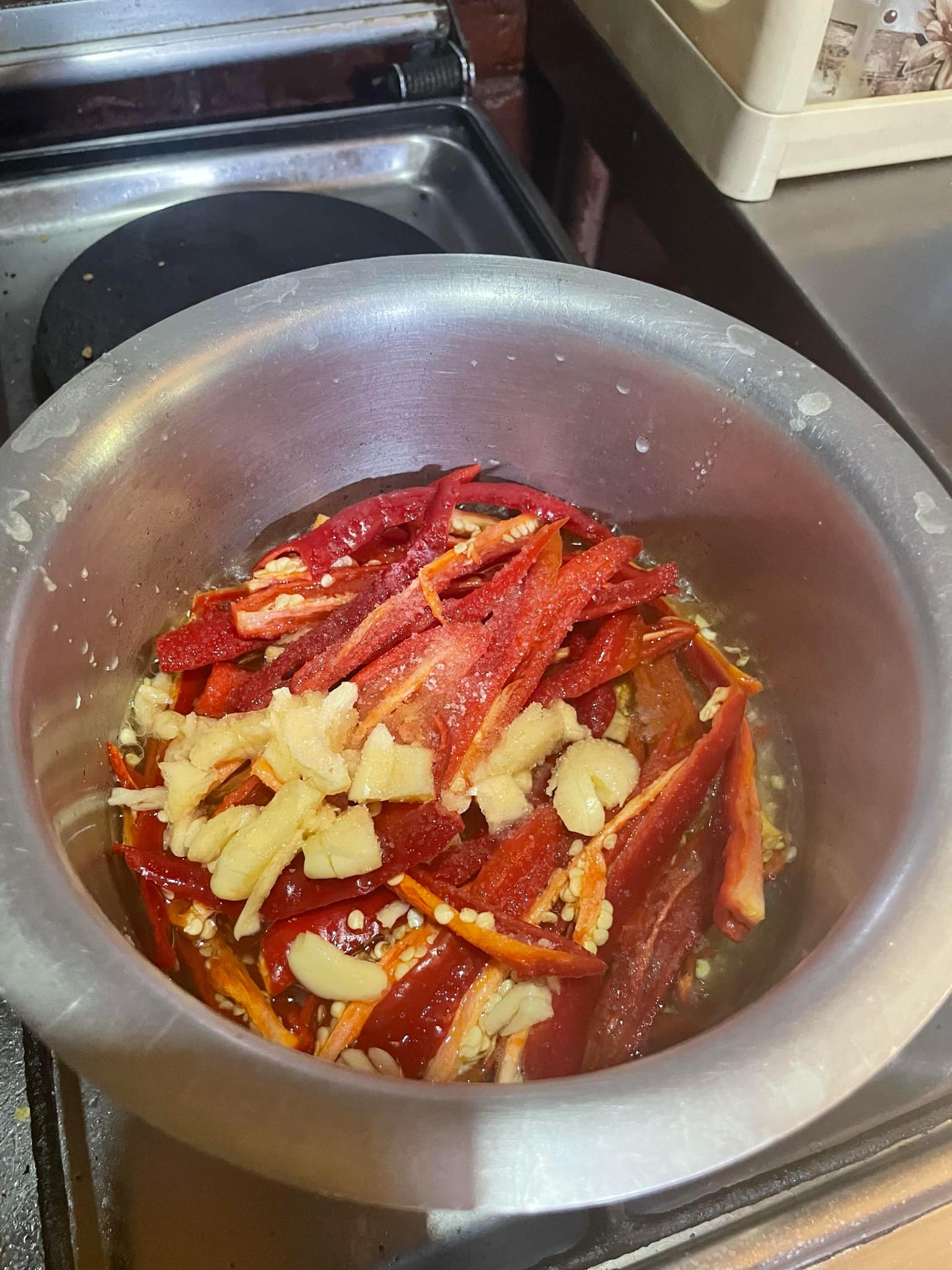
In Bhutan, chilli isn't something you add to food — it IS the food. Our national dish, ema datshi, is literally chilli and cheese. That's it. We eat chilli at every meal, in quantities that would make most visitors' eyes water. And every October, every rooftop in Paro turns red as families dry their chilli harvest for winter.
A typical Bhutanese curry needs only three ingredients: chilli, onion, and salt. No frying, no complex techniques. The simplicity is the point.
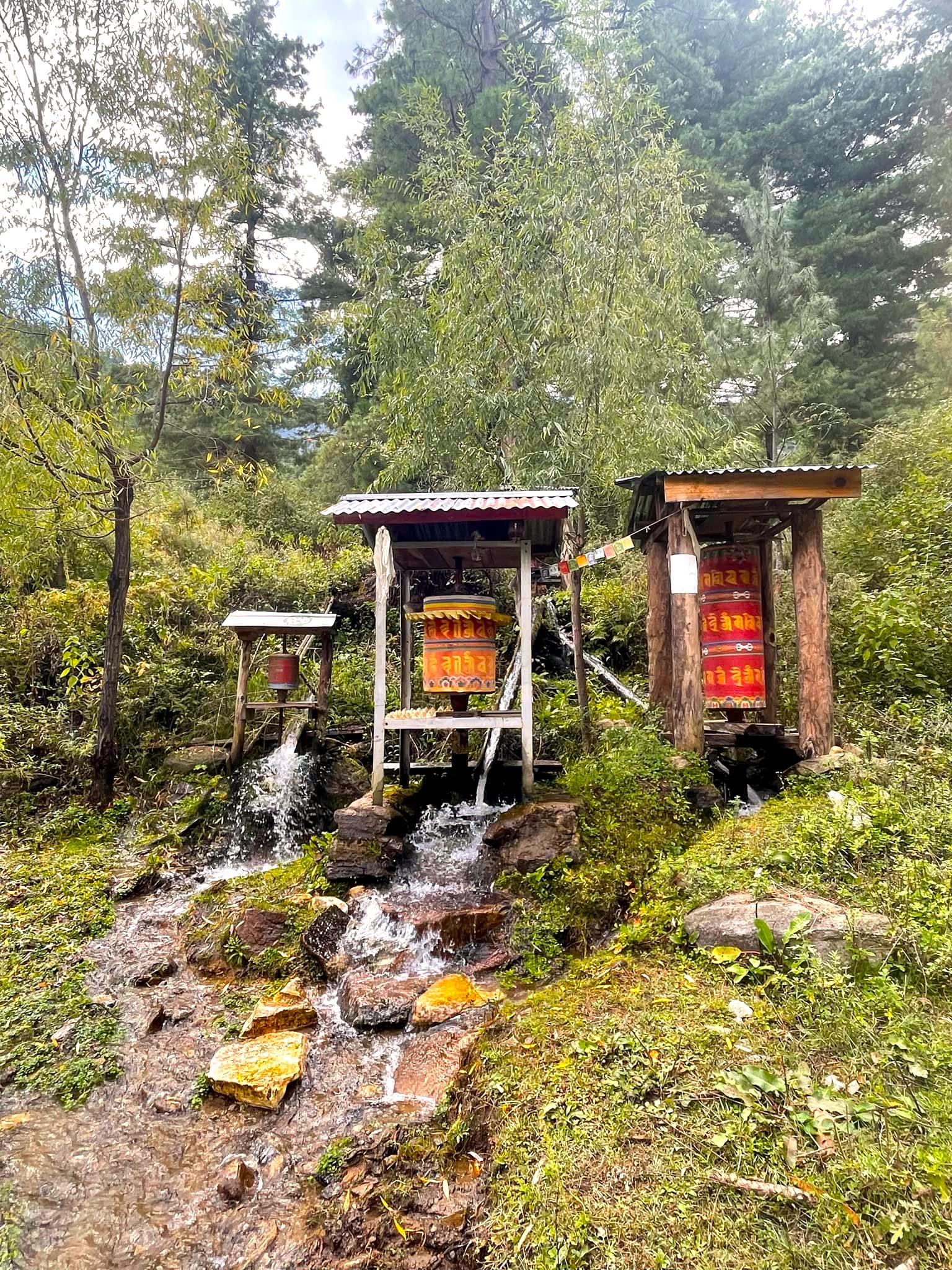
Along mountain streams across Bhutan, you'll find Mani Khorlo — prayer wheels powered by flowing water. No electricity, no human effort. The stream turns the wheels continuously, day and night, each rotation carrying thousands of mantras into the world. Inside each wheel is a tightly rolled scroll inscribed with "Om Mani Padme Hum" — the mantra of compassion.
There's something deeply moving about this — the idea that the mountains themselves are praying. On my path to Taklung Monastery, I always pause at the water wheels to listen. The soft murmur of water and the gentle creaking of the wheels is a meditation in itself.
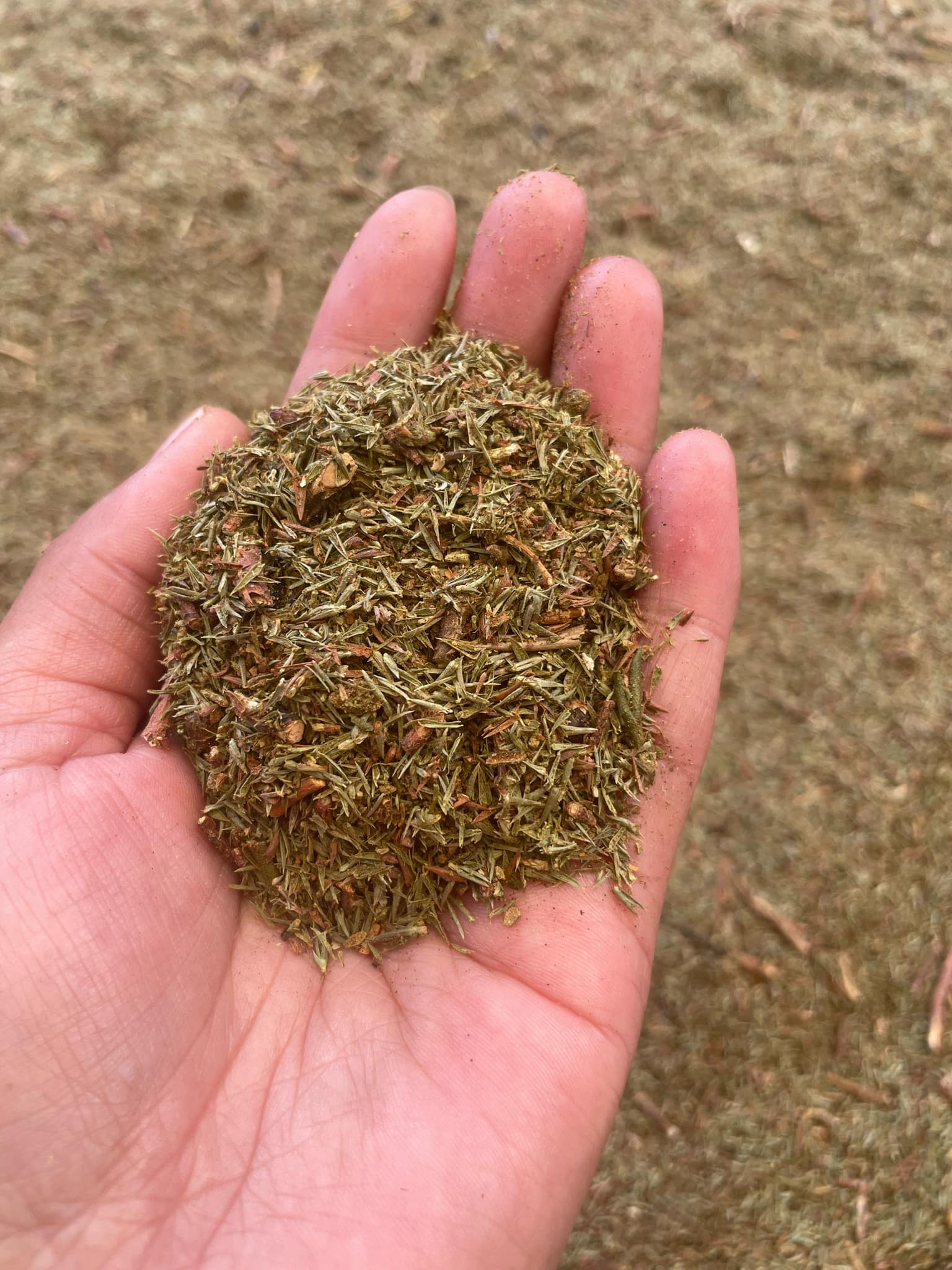
Every morning, Bhutanese families light sang — sacred incense made from juniper, silver fir, and spruce gathered at altitudes above 3,000 meters, where the air is thin and the landscape feels close to the sky. The smoke purifies the space and carries prayers upward.
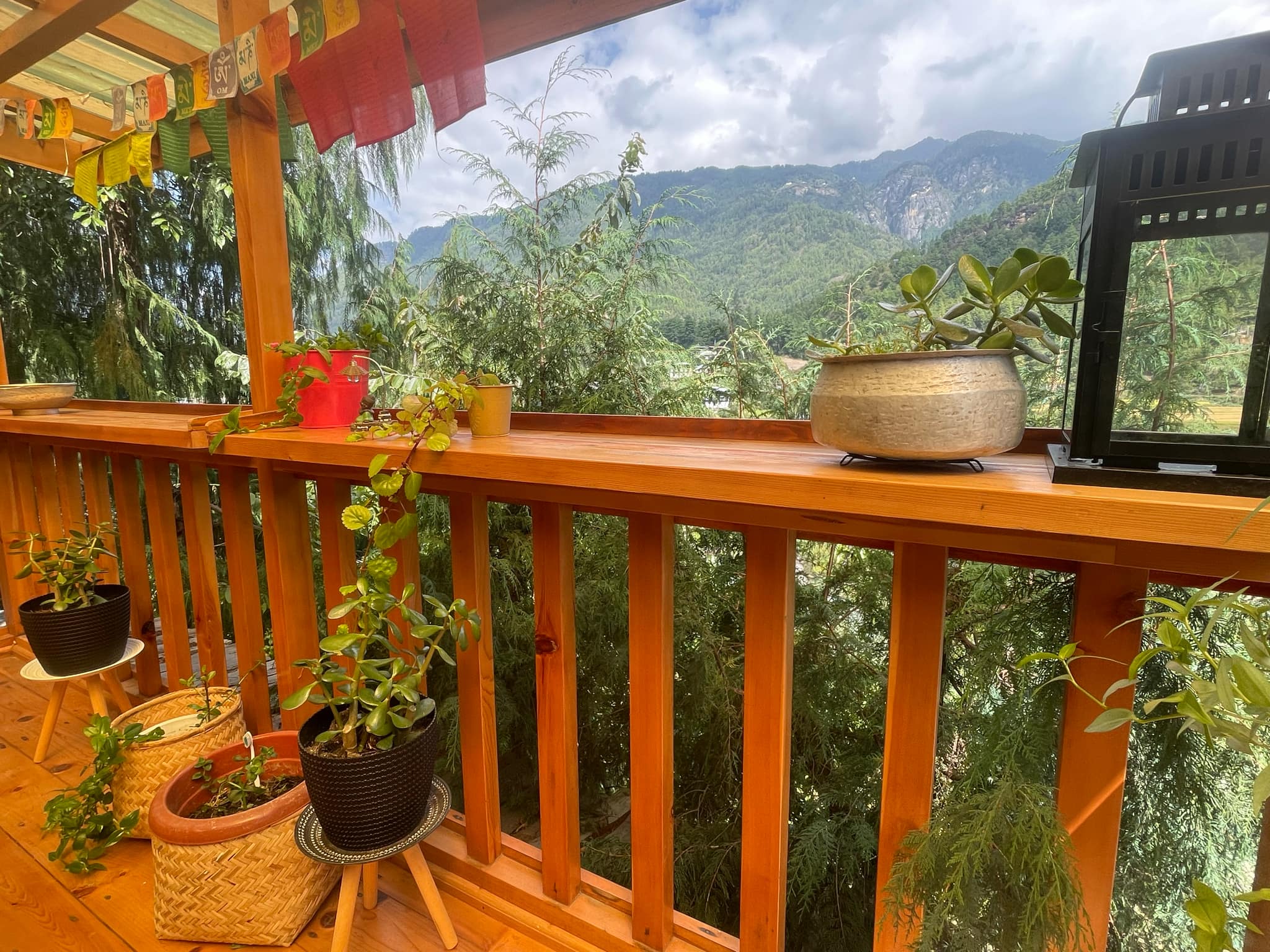
I recently trekked to Singye Dzong at 4,000 meters — one of Bhutan's most sacred pilgrimage sites, blessed by Guru Rinpoche himself — to gather these herbs. Carrying them back and preparing them on my balcony, with the fragrance of the high mountains filling the air, felt like bringing a part of that spiritual energy home. Every time I light this sang, I'm reminded of that journey.
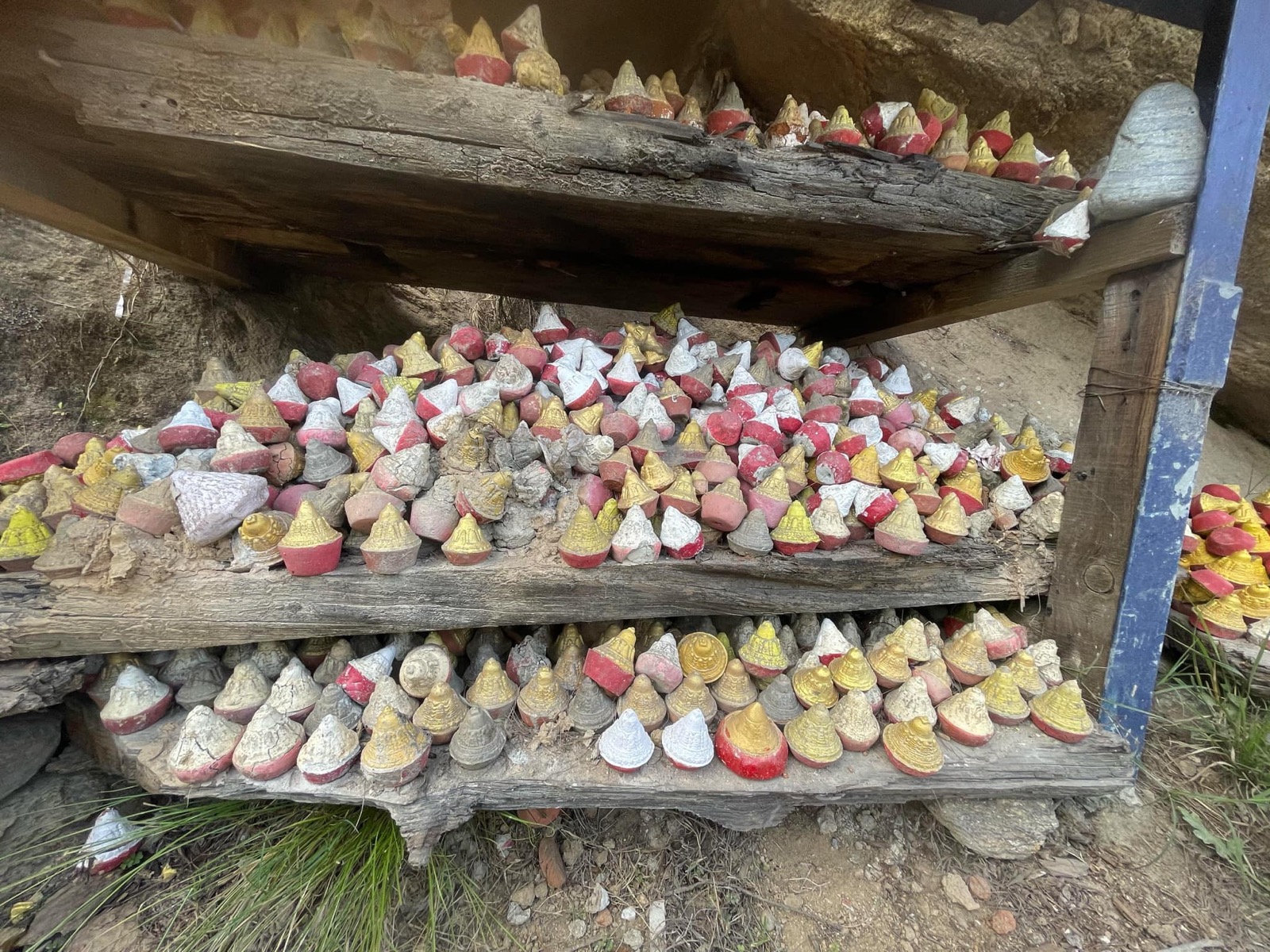
Along Bhutanese roads, you'll notice small shrines with hundreds of colorful clay figurines arranged on shelves or nestled into rocks. These are Tsa Tsa — and they carry a tradition both beautiful and deeply spiritual.
After cremation, the ashes or bones of loved ones are mixed into these clay figures, symbolizing the connection between life and death. Painted in red, white, and gold, they're placed away from stupas — never where people walk around them — as a mark of respect. Each one represents a prayer, a memory, a blessing. You can see them on the road to Taklung Monastery, standing quietly under fluttering prayer flags.
Bhutan has zero traffic lights. Not one. In the capital, Thimphu, a single traffic circle is manned by a police officer in a small booth, directing cars with elegant hand gestures. They once tried installing a traffic light. The people found it too impersonal and asked for the officer back.
It tells you everything about this country. In Bhutan, the human touch matters more than efficiency. A policeman waving you through feels like being welcomed, not regulated.
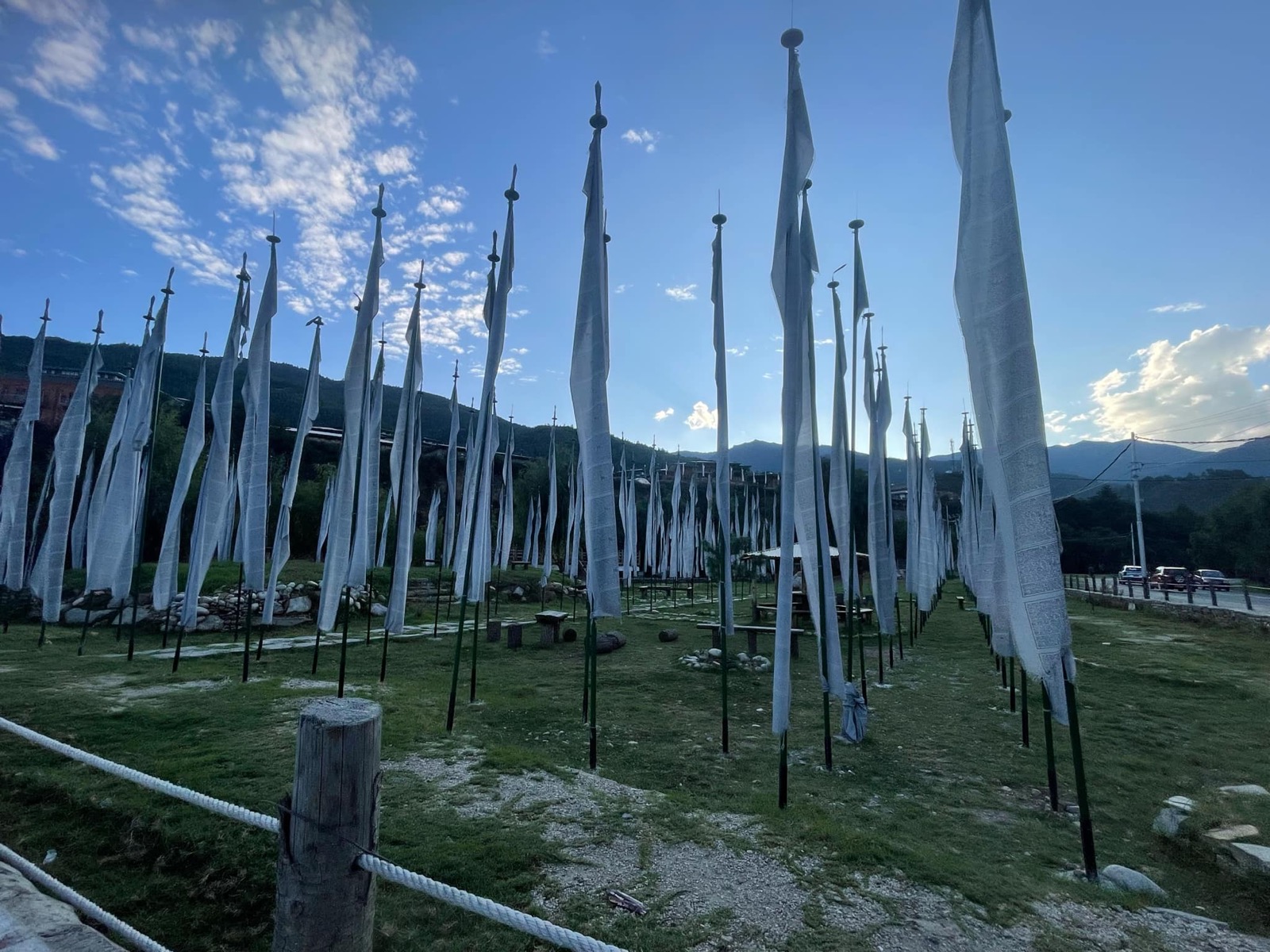
The colorful Lungta flags you see everywhere? Those are for the living — strung up to bless people with health, happiness, and good fortune. They carry prayers on the wind, spreading blessings across the landscape.
But the white flags — Mani Dhar — are different. They're hung in memory of those who have passed, always in sets of 108, a sacred number in Buddhism. They're a solemn reminder of impermanence, but also a gesture of love. The contrast between the vibrant Lungta and the serene white Mani Dhar captures the balance of life and death in our beliefs — a constant interplay between joy and sorrow.
Bhutan absorbs more carbon dioxide than it produces. By a lot. Over 72% of the country is covered in forest, and the constitution mandates that it stays above 60% — forever. While other countries debate climate targets, Bhutan simply wrote environmental protection into its founding law and kept going.
You can feel it the moment you step off the plane. The air in Paro is clean in a way that hits you almost physically — crisp mountain air mixed with pine and the distant sweetness of wildflowers. Your lungs say thank you.
The Kira (for women) and Gho (for men) aren't costumes for tourists. They're worn every day — to work, to school, to the market, to festivals. It's required in government buildings, schools, and religious sites, and most Bhutanese wear them by choice everywhere else.
Each garment is handwoven with intricate patterns that carry meaning. When I pick up my Kira from the tailor, it brings a quiet satisfaction — knowing I'm keeping a tradition alive that was passed down through generations. It's not just clothing. It's identity.
Bhutan was the last country in the world to introduce television — in 1999, the same year it got internet. Before that, the only screens were in monasteries, projecting religious teachings. The king made the decision carefully, knowing it would change the culture.
That measured approach to modernization defines Bhutan. Change happens here — but slowly, deliberately, with deep thought about what's gained and what might be lost. Bubble tea shops have made it to Paro now, and the kids love them. But the morning prayers still come first.
These aren't facts from a textbook. They're things we live every day. Come and experience them with us.
Get in Touch